Lachie Jukes
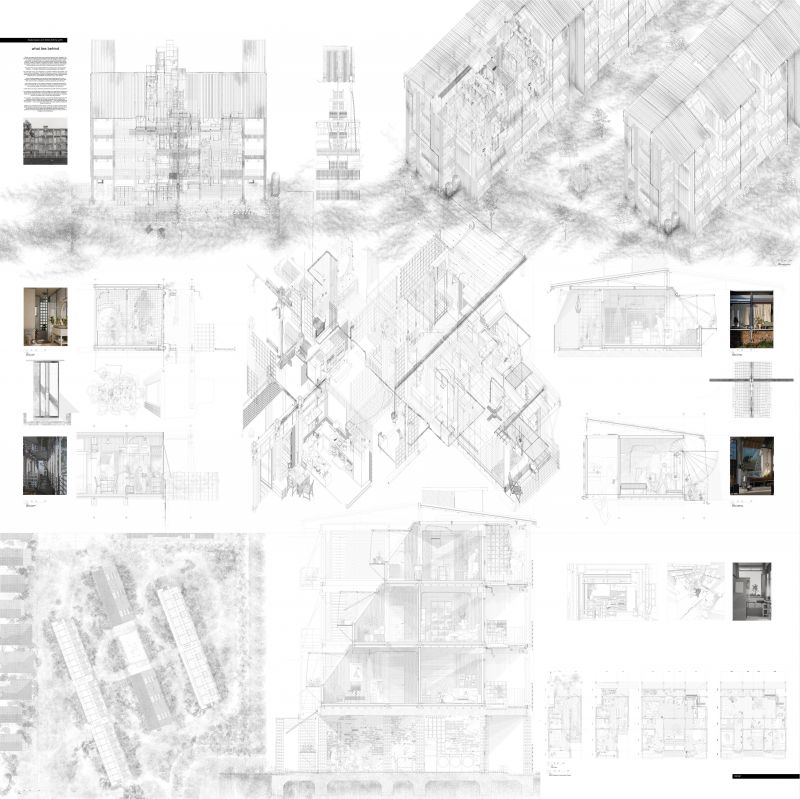
what lies behind
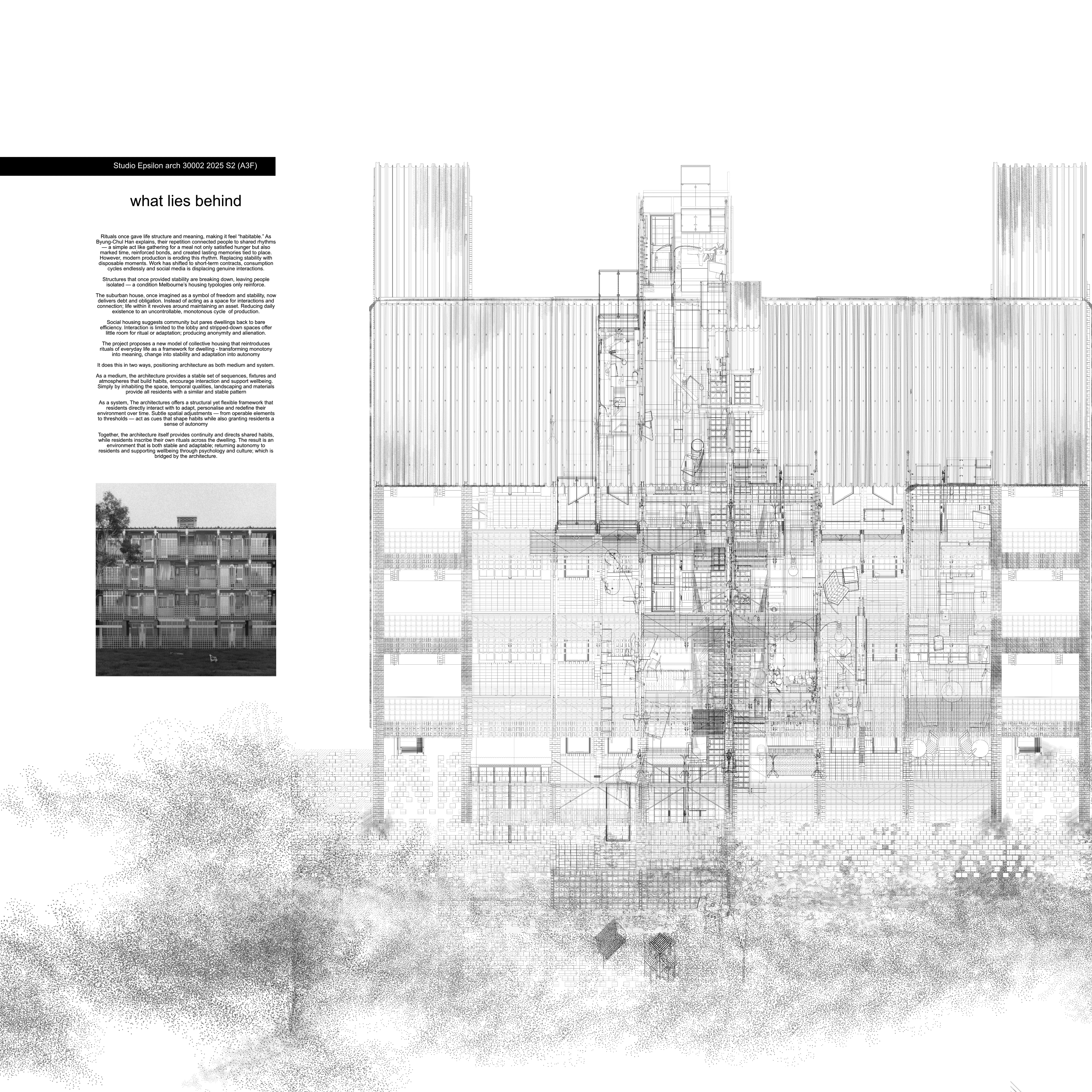
Rituals once gave life structure and meaning, making it feel “habitable.” As Byung-Chul Han explains, their repetition connected people to shared rhythms — a simple act like gathering for a meal not only satisfied hunger but also marked time, reinforced bonds, and created lasting memories tied to place. However, modern production is eroding this rhythm. Replacing stability with disposable moments. Work has shifted to short-term contracts, consumption cycles endlessly and social media is displacing genuine interactions.
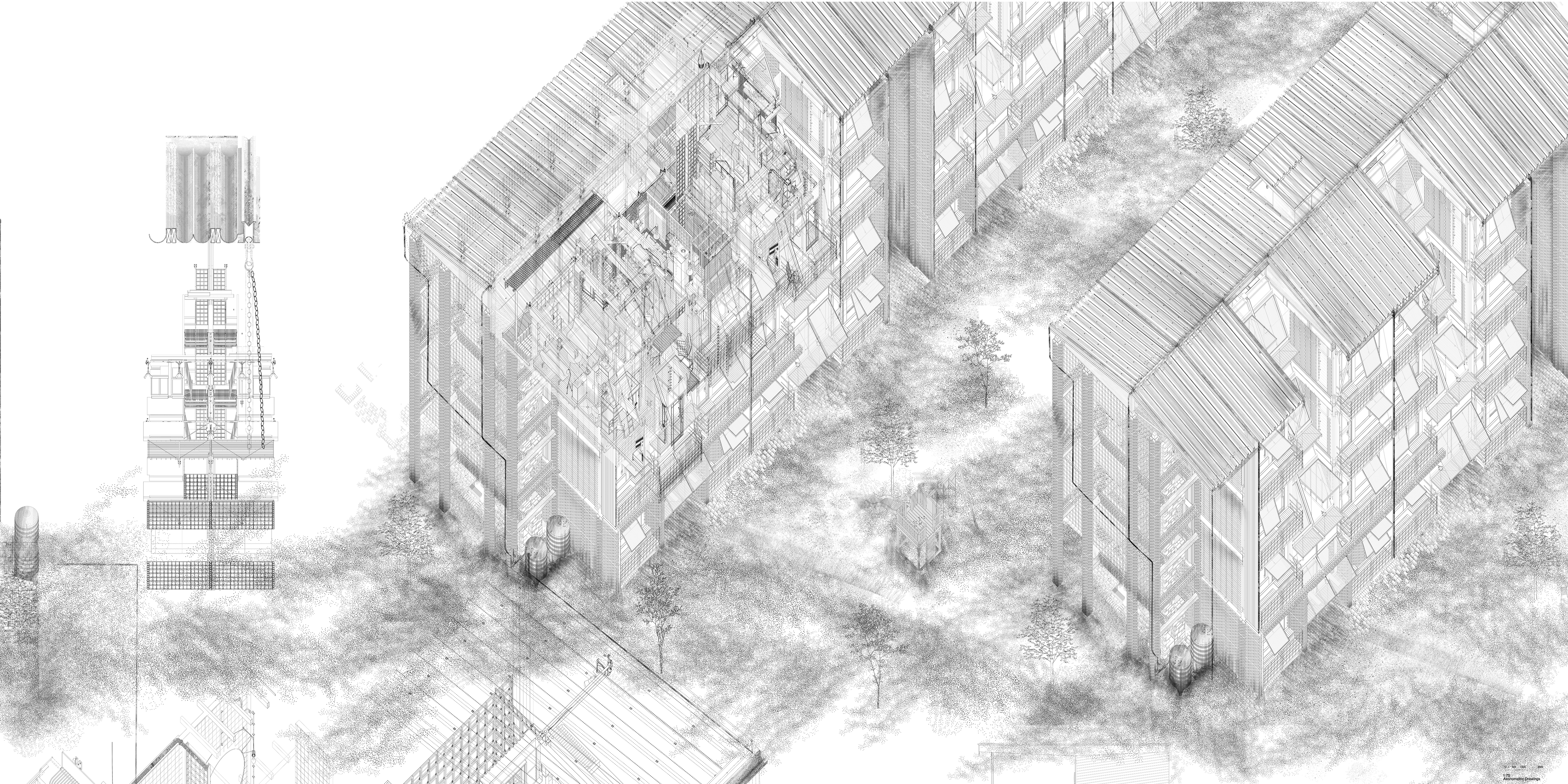
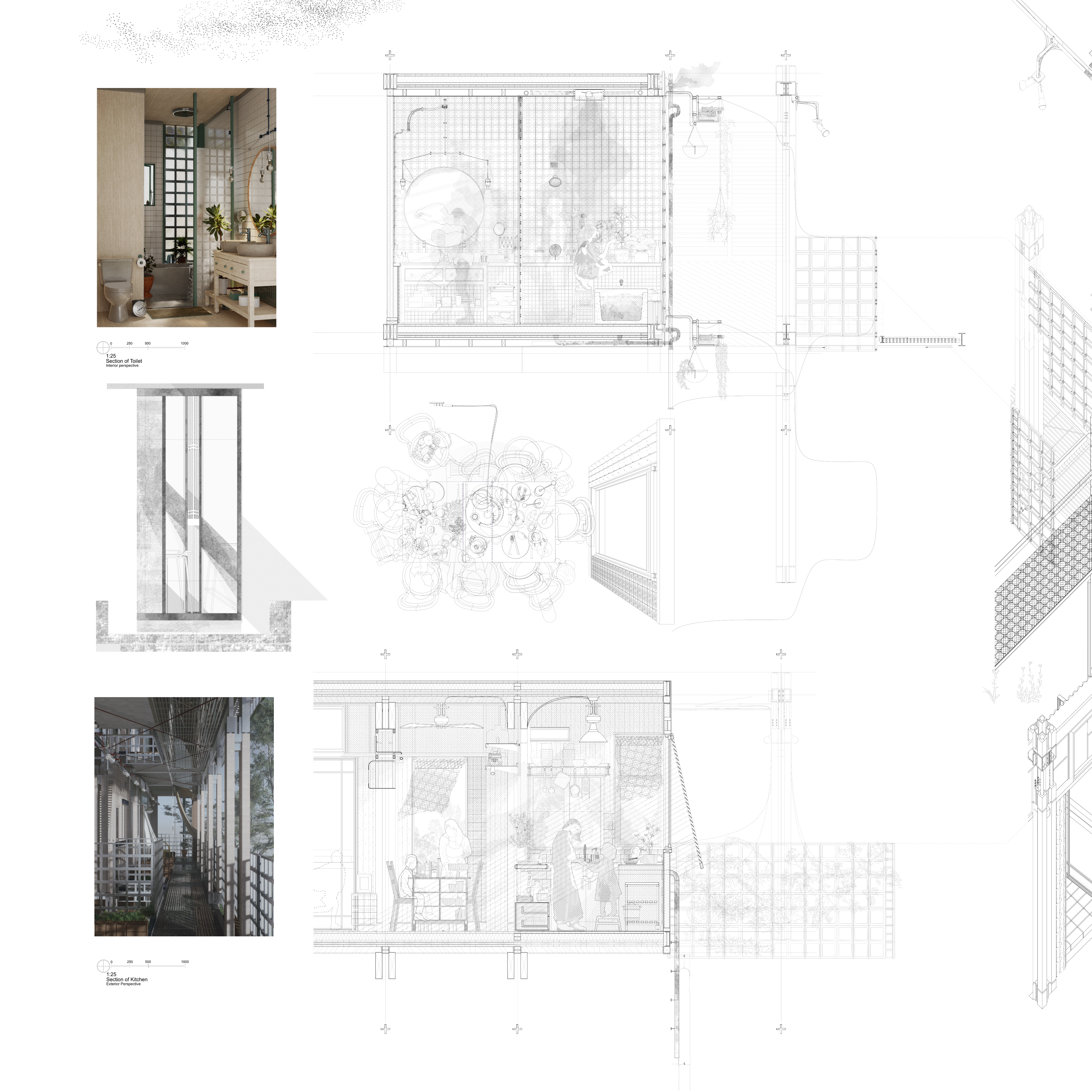
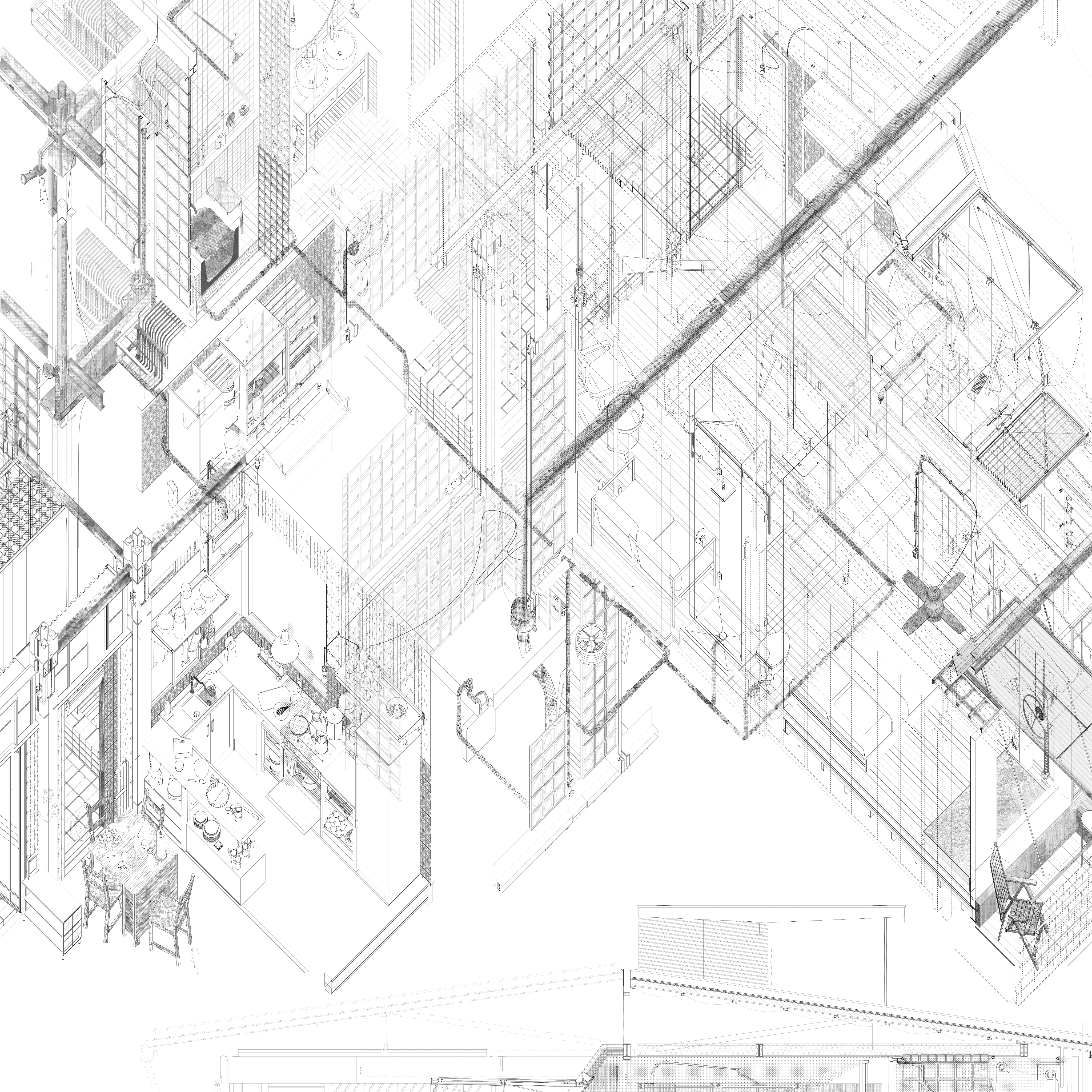
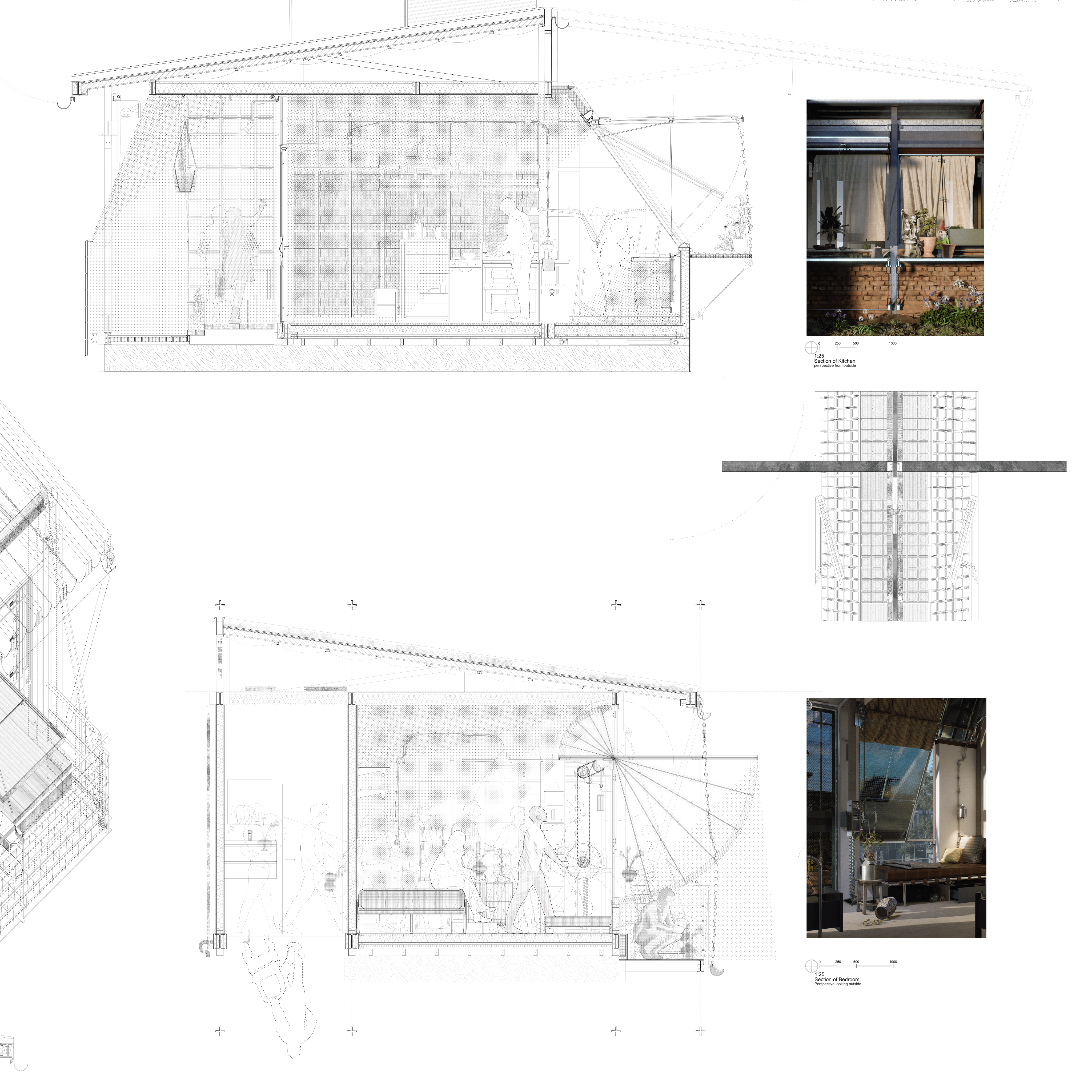
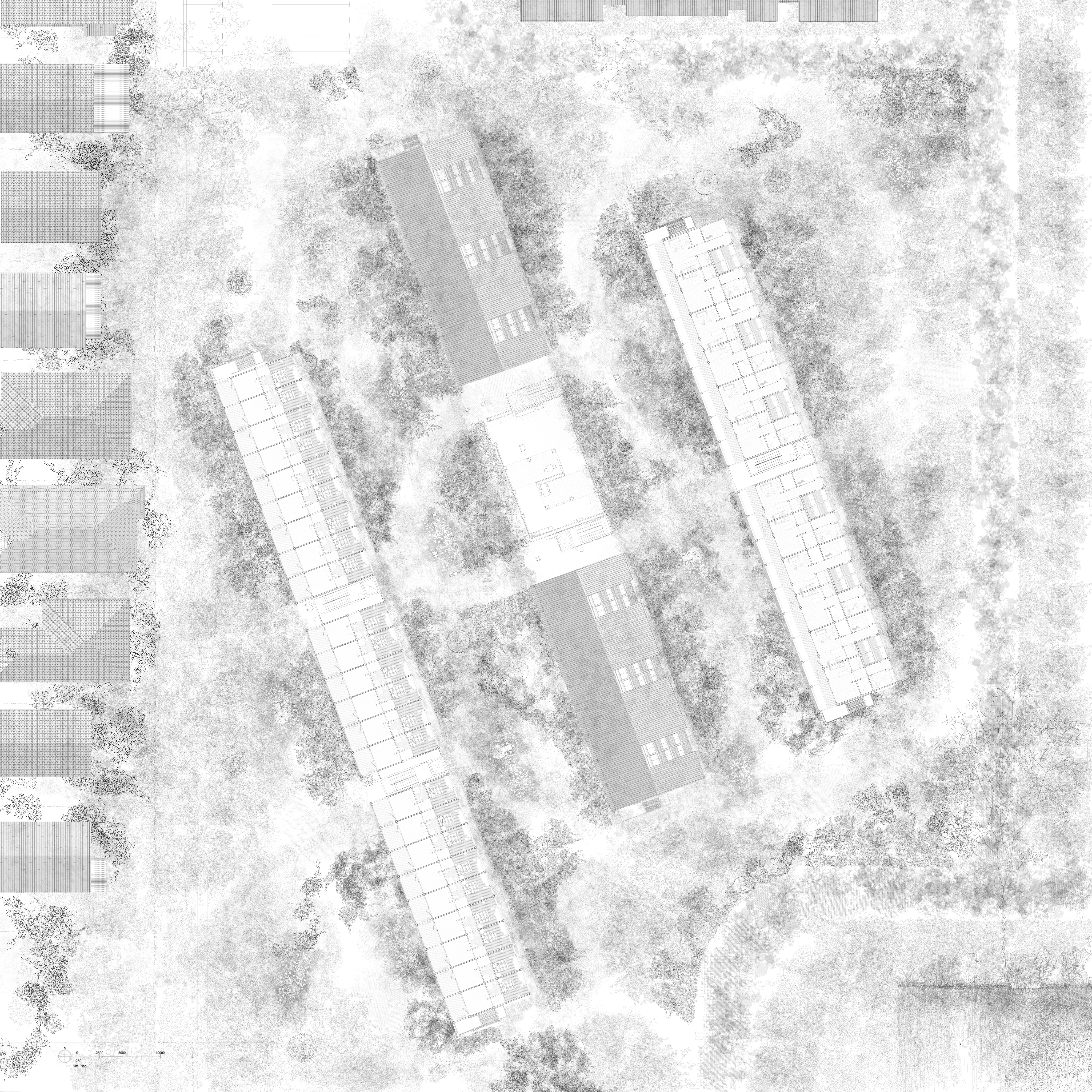
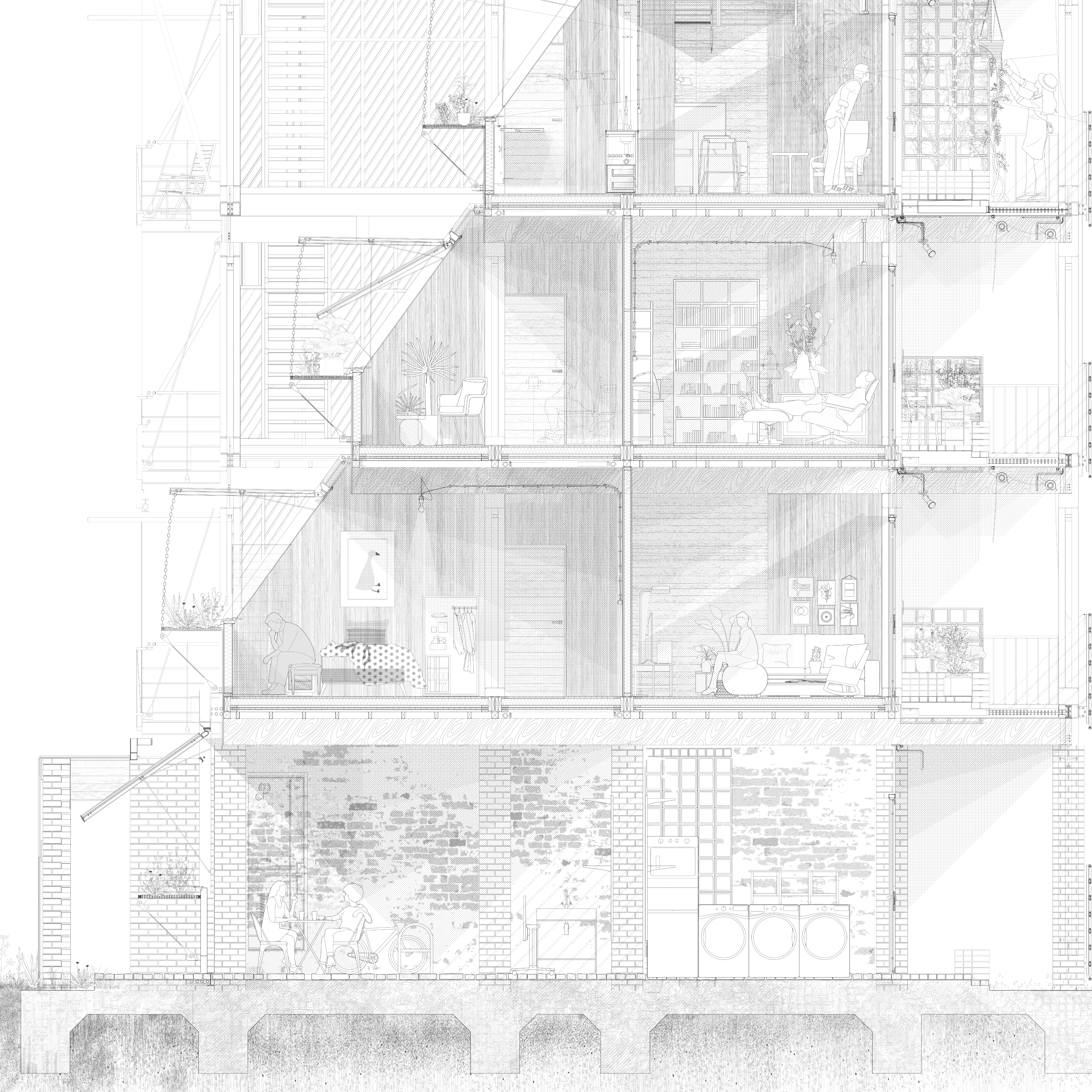
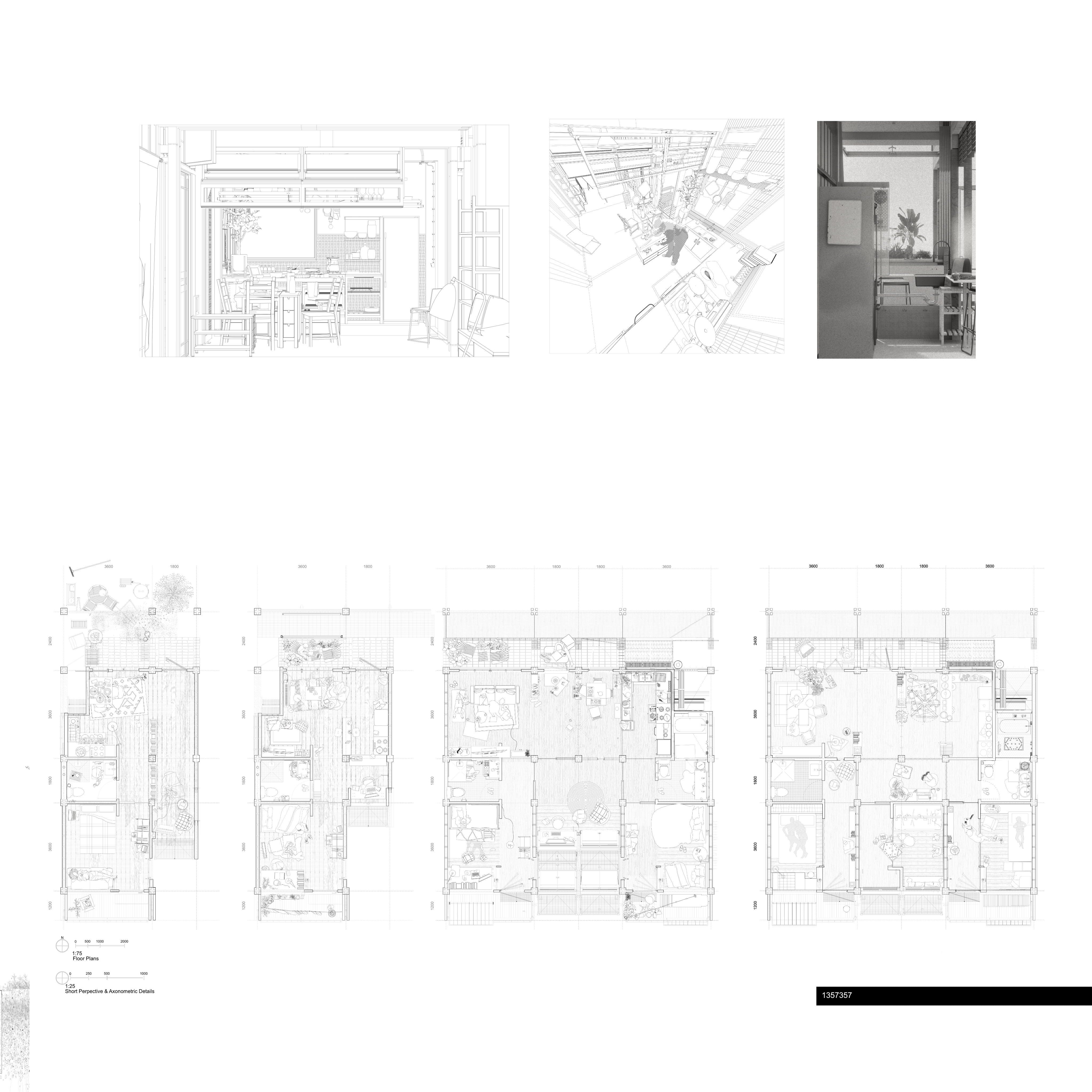
Structures that once provided stability are breaking down, leaving people isolated — a condition Melbourne’s housing typologies only reinforce. The suburban house, once imagined as a symbol of freedom and stability, now delivers debt and obligation. Instead of acting as a space for interactions and connection; life within it revolves around maintaining an asset. Reducing daily existence to an uncontrollable, monotonous cycle of production. Social housing suggests community but pares dwellings back to bare efficiency. Interaction is limited to the lobby and stripped-down spaces offer little room for ritual or adaptation; producing anonymity and alienation. The project proposes a new model of collective housing that reintroduces rituals of everyday life as a framework for dwelling - transforming monotony into meaning, change into stability and adaptation into autonomy. It does this in two ways, positioning architecture as both medium and system. As a medium, the architecture provides a stable set of sequences, fixtures and atmospheres that build habits, encourage interaction and support wellbeing. Simply by inhabiting the space, temporal qualities, landscaping and materials provide all residents with a similar and stable pattern. As a system, The architectures offers a structural yet flexible framework that residents directly interact with to adapt, personalise and redefine their environment over time. Subtle spatial adjustments — from operable elements to thresholds — act as cues that shape habits while also granting residents a sense of autonomy
Together, the architecture itself provides continuity and directs shared habits, while residents inscribe their own rituals across the dwelling. The result is an environment that is both stable and adaptable; returning autonomy to residents and supporting wellbeing through psychology and culture; which is bridged by the architecture.
Need enrolment assistance?
Stop 1 provides enrolment and other support to Bachelor of Design and Melbourne School of Design students.